


-

Add: HeBei ShengShi HongBang Cellulose Technology CO.,LTD.
-

Email
13180486930@163.com -

CONTACT US
+86 13180486930
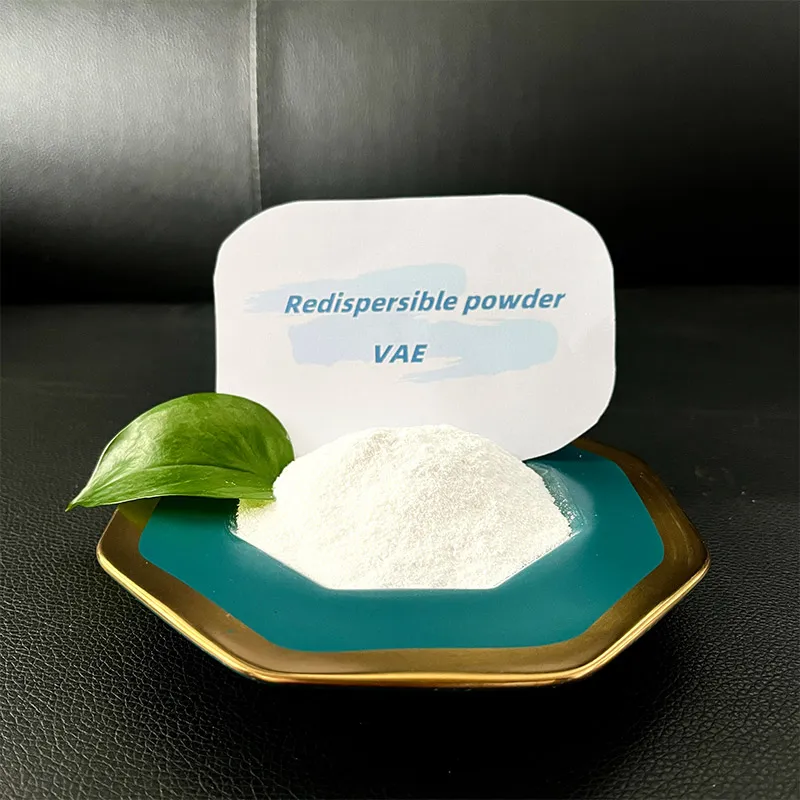
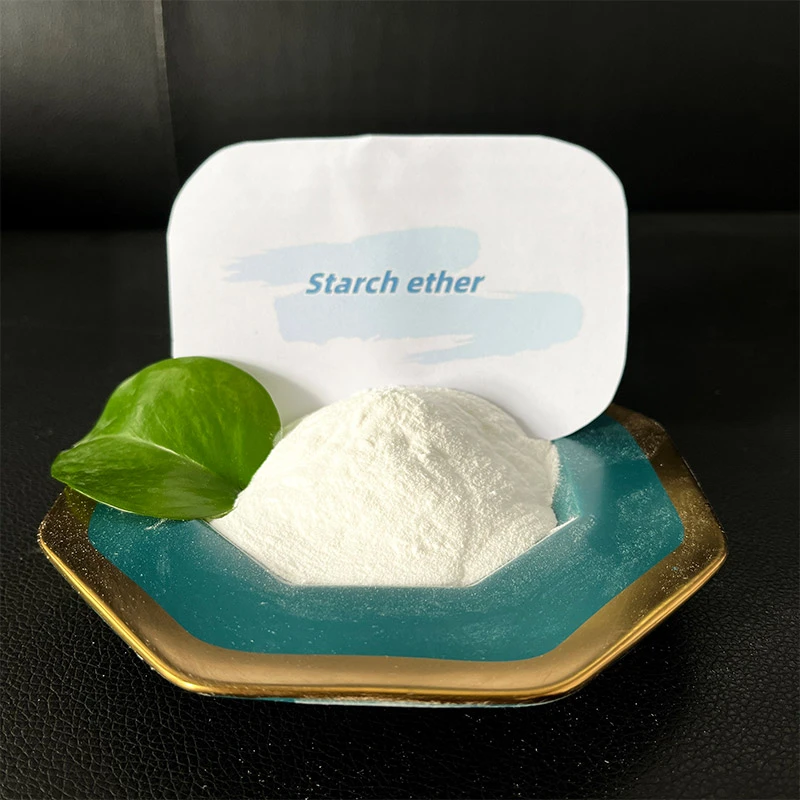
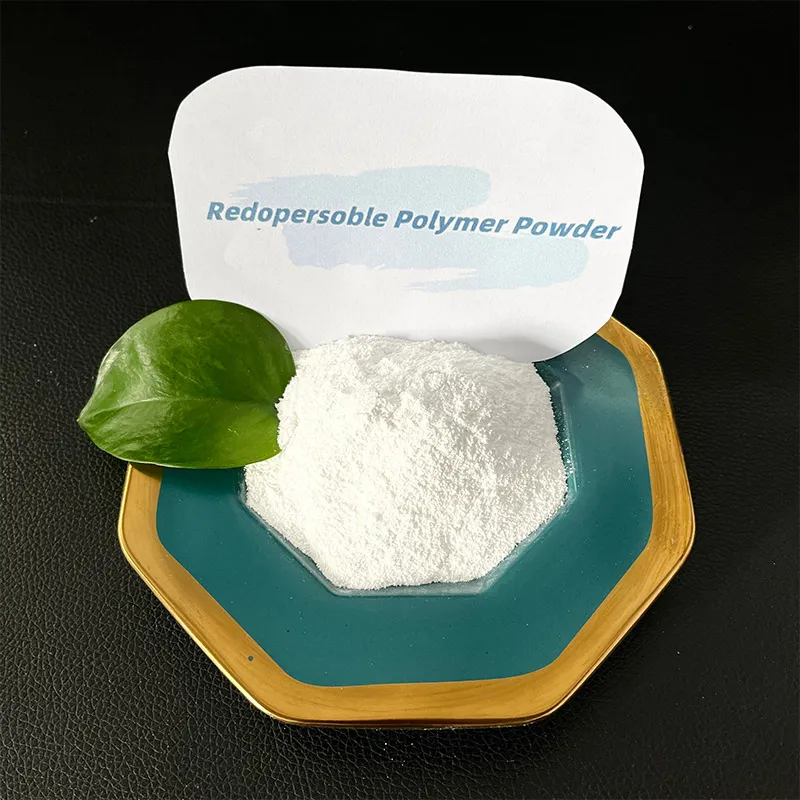
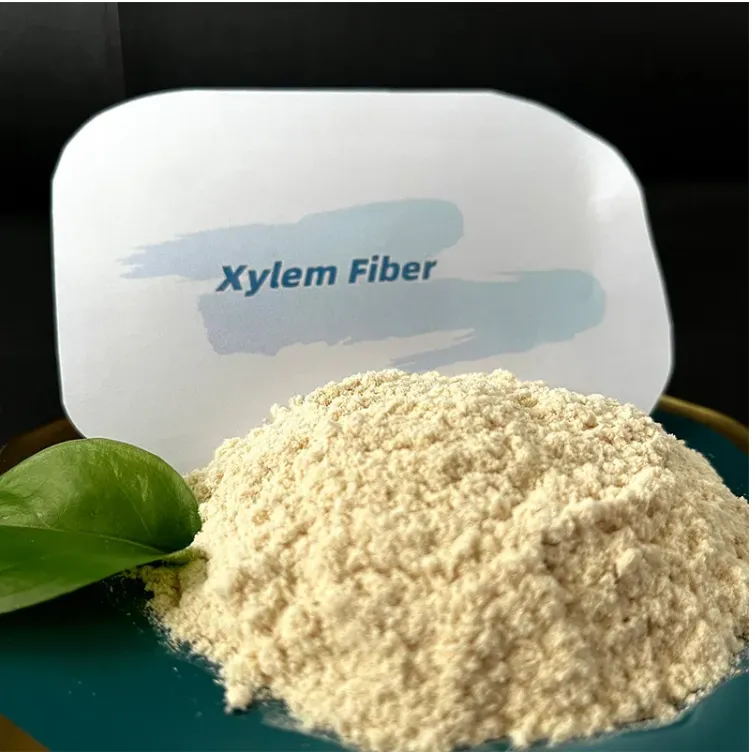
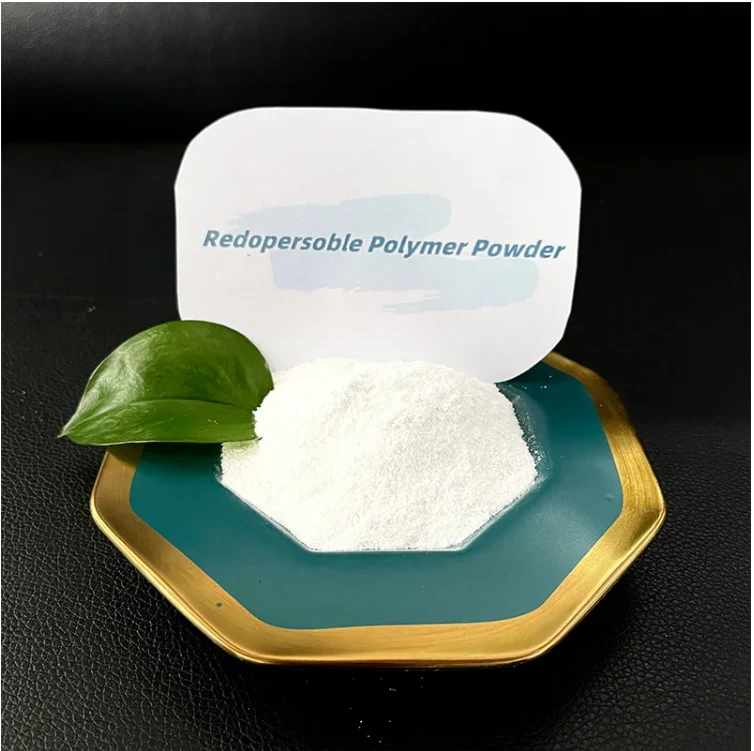


Understanding the solubility properties of hydroxypropyl methylcellulose (HPMC) E5 is crucial for industries ranging from pharmaceuticals to food production, offering both flexibility and functionality. As one delves into the characteristics of HPMC E5, it becomes evident why this ingredient is highly regarded for its solubility and versatile applications. Hydroxypropyl methylcellulose E5 is a type of cellulose derivative renowned for its excellent solubility in cold water and broad compatibility with various solvents. This feature makes HPMC E5 an indispensable ingredient in numerous formulations. From a practical standpoint, HPMC E5 exhibits a unique solubility profile that enhances its functional capabilities. Its solubility in water without the need for elevated temperatures simplifies the manufacturing process in several products, especially within the pharmaceutical sector. In tablet formulations, HPMC E5 not only functions as a binder but also serves as a viscosity enhancer in liquid systems. This dual capability is attributed to its ability to dissolve and form a gel-like consistency, which stabilizes the formulation and controls the release of active ingredients. Moreover, the expertise of incorporating HPMC E5 into products lies in its adaptable nature. Depending on the concentration and temperature, HPMC E5 can provide different viscosities, catering to specific industry needs. In the paint and coatings industry, for example, its solubility property ensures uniform consistency and prevents pigment separation, thereby enhancing product quality. Authoritative sources in the food industry often turn to HPMC E5 due to its film-forming and emulsifying properties, driven by its solubility. In gluten-free and reduced-fat products, HPMC E5 compensates for the lack of gluten or fat by improving texture and mouthfeel, thus enhancing the consumer experience. Its ability to swiftly dissolve ensures minimal processing time, which is fundamental when maintaining the nutritional quality of food products. hpmc e5 solubility Trustworthiness in utilizing HPMC E5 is established through rigorous testing and quality controls documented by manufacturers. As a GRAS (Generally Recognized As Safe) substance, it undergoes extensive assessment to ensure that its solubility and functional properties align with safety standards across various applications. Manufacturers provide detailed solubility data encompassing various temperature ranges and pH levels, empowering product developers to make informed decisions regarding its use. For individuals and businesses aiming to maximize the solubility benefits of HPMC E5, collaborating with suppliers who offer technical support is invaluable. These suppliers often provide insights derived from comprehensive research and development processes, ensuring HPMC E5 is utilized to its full potential. Their expertise can guide the creation of innovative products that harness the efficiency and reliability of HPMC E5’s solubility characteristics. Choosing HPMC E5 also implies a commitment to sustainability, as cellulose-based materials are increasingly favored for their biodegradable nature. In an era where environmental considerations play a pivotal role, incorporating biodegradable yet functional ingredients aligns with global sustainability efforts. Harnessing the potential of HPMC E5’s solubility does not end with existing applications . Ongoing research continues to unveil novel uses, particularly in emerging fields like biomedicine, where its solubility attributes could support the development of drug delivery systems. In conclusion, the solubility of hydroxypropyl methylcellulose E5 is not merely a chemical property but a gateway to a multitude of applications that enhance product stability, functionality, and user experience. Its reliability and adaptability continue to inspire new formulations, establishing it as a cornerstone in product innovation across diverse sectors.
- 40000tons

Production
- 20+years

Experience
- 5000+㎡

Acreage

-
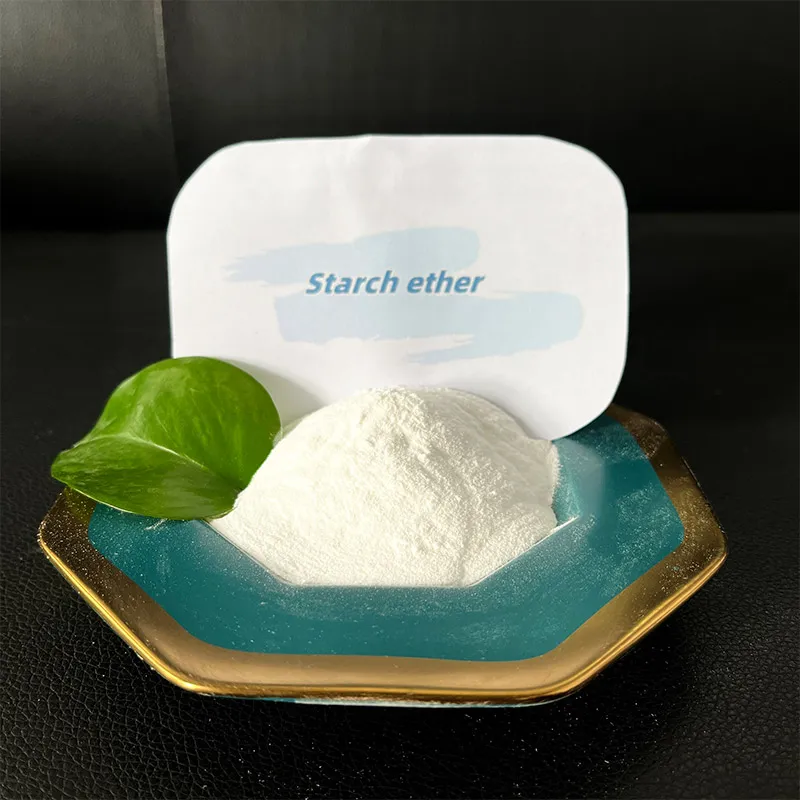
How to Make HPMC Gel A Step-by-Step Guide Hydroxypropyl methylcellulose (HPMC) is a versatile polymer widely used in various applications, including pharmaceuticals, cosmetics, and food products. One of the most common uses of HPMC is to create gels, which can serve as thickening agents, stabilizers, or film-forming agents. In this article, we will provide a detailed guide on how to make HPMC gel, ensuring that you have all the information you need to successfully create your own gel. Materials Needed Before getting started, it’s essential to gather all the materials you will need 1. HPMC Powder Available in various grades, choose one that fits your intended application. 2. Distilled Water Using distilled water ensures that no impurities interfere with the gel formation. 3. Heating Source A hot plate or stovetop for heating the water. 4. Beaker or Container For mixing the ingredients. 5. Stirring Tool A whisk or a magnetic stirrer for thorough mixing. 6. pH Meter or Strips Optional but useful for adjusting the pH if necessary. 7. Preservatives (Optional) If you intend to store the gel for an extended period, consider adding a preservative. Step-by-Step Instructions Step 1 Prepare the Water Start by measuring the amount of distilled water you will need. The quantity of water will depend on the desired concentration of the HPMC gel. Typically, a concentration of 1-3% HPMC is used, but you can adjust it according to your requirements. Pour the measured water into a beaker or container. Step 2 Heat the Water Gently heat the distilled water using your heating source. The temperature should be around 60-70°C (140-158°F), which helps dissolve the HPMC more effectively. Do not bring the water to a boil, as excessive heat might degrade the polymer. Step 3 Mix HPMC with Water how to make hpmc gel Slowly add the HPMC powder to the heated water while continuously stirring. It’s crucial to sprinkle the HPMC powder evenly to prevent clumping. Use a whisk or a magnetic stirrer to create a homogeneous mixture. Continue stirring until the powder is fully dissolved, and the mixture becomes viscous. Step 4 Allow to Cool and Thicken Once the HPMC is fully dissolved, remove the beaker from the heat source and allow the solution to cool. As it cools, the gel will thicken further. This process may take some time, so be patient. You can stir occasionally to ensure even thickening. Step 5 Adjust pH (Optional) If necessary, check the pH of the gel using a pH meter or strips. HPMC gels typically perform best at a neutral pH (around 7). If you find that the pH is too high or low, you can adjust it by adding small amounts of citric acid (to lower pH) or sodium hydroxide (to raise pH). Stir well after each adjustment. Step 6 Add Preservatives (If Needed) If you plan to store the HPMC gel for an extended period, consider adding a preservative to prevent microbial growth. Follow the manufacturer's instructions regarding the appropriate type and quantity of preservative to use. Step 7 Store the Gel Properly Transfer the HPMC gel into an airtight container. Store it in a cool, dry place away from direct sunlight. If stored correctly, HPMC gel can last for several months. Conclusion Creating HPMC gel at home is a straightforward process that involves heating water, dissolving the HPMC powder, and allowing it to cool and thicken. With just a few ingredients and some patience, you can produce a high-quality gel suitable for various applications. Whether you are a hobbyist or a professional, understanding how to make HPMC gel can be a useful skill in your toolkit. Enjoy experimenting with your gel, and don’t hesitate to adjust the formulation to meet your specific needs!
-
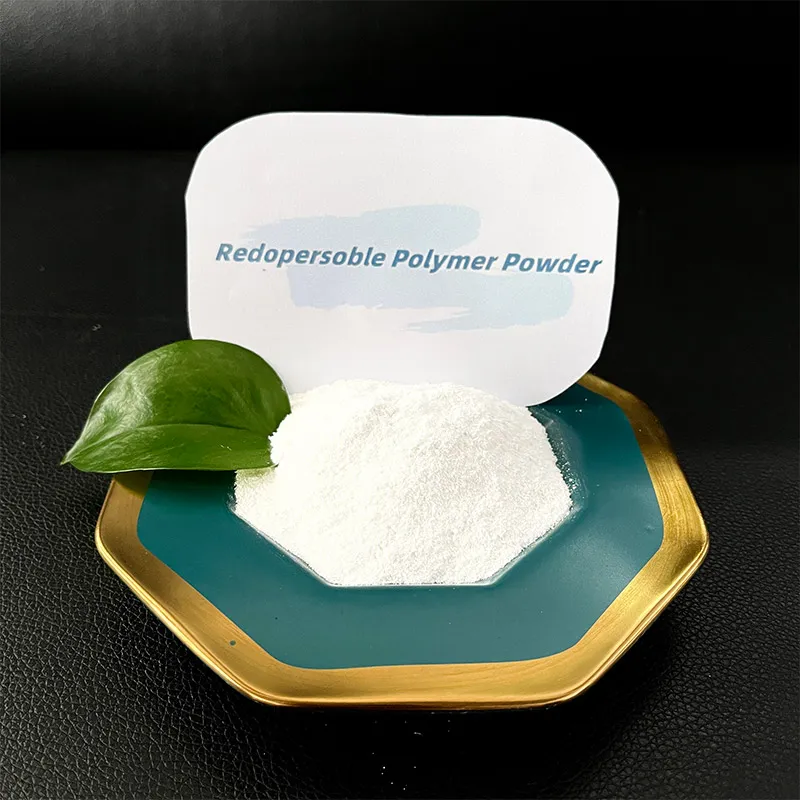
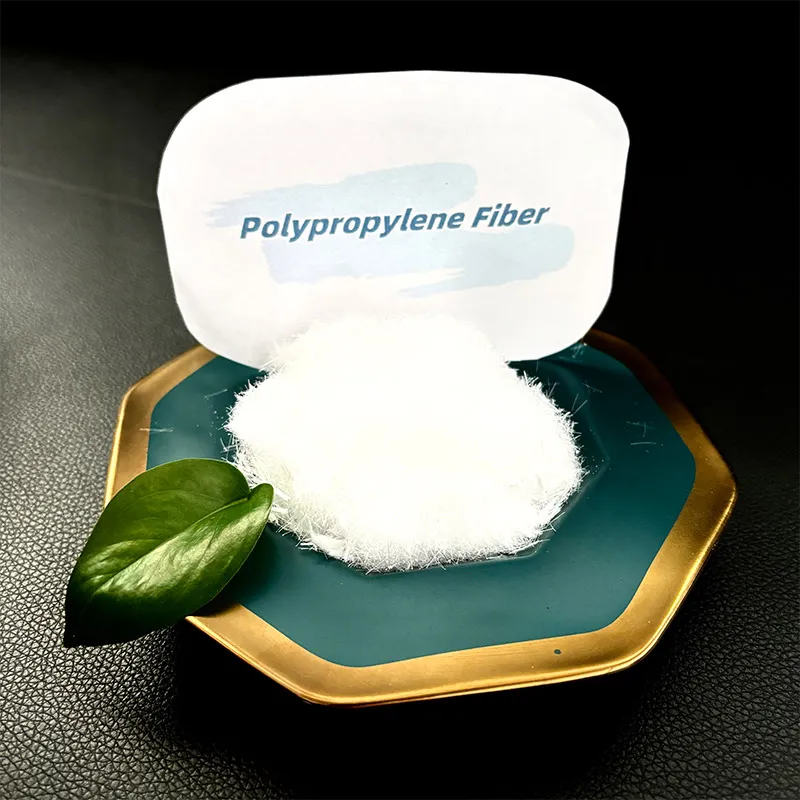
Polypropylene fiber is a versatile, durable material that is used in a variety of applications across multiple industries. Known for its excellent resistance to wear, moisture, and chemicals, polypropylene fiber provides strength, flexibility, and longevity to the products it’s used in. Whether you're in the construction, textile, or automotive industry, polypropylene fiber can improve the overall quality of your products. From reinforcing concrete to enhancing fabric durability, polypropylene fiber is the perfect solution for creating high-performance, long-lasting materials. Discover the benefits of polypropylene fiber and see how it can elevate your product offerings. Explore the Many Polypropylene Fiber Uses in Various Industries Polypropylene fiber uses are wide-ranging and highly valuable across many sectors. In the construction industry, polypropylene fiber is often used to reinforce concrete, improving its tensile strength and reducing the likelihood of cracks. This type of fiber also helps prevent shrinkage and enhances the durability of the material. Polypropylene fiber uses extend to textiles, where it is used in carpets, upholstery, and clothing due to its ability to resist moisture and stains. The automotive industry also benefits from polypropylene fiber , which is used in interior parts and insulation materials. By incorporating polypropylene fiber into your products, you can enhance their performance, durability, and overall quality. Get the Best Polypropylene Fiber Price for Your Needs When sourcing polypropylene fiber , understanding the polypropylene fiber price is key to maintaining your budget while ensuring top quality. The polypropylene fiber price varies based on factors such as the type of fiber, quantity, and specific application. However, we offer highly competitive prices that allow you to get the best value for your investment. Whether you're purchasing in bulk or small quantities, our pricing is designed to meet your needs without compromising on quality. We aim to provide affordable, high-performance polypropylene fiber that delivers exceptional results for your business. Contact us today to learn more about polypropylene fiber price and how we can help you save on your next order. Work with Trusted Polypropylene Fiber Suppliers for Consistent Quality Choosing the right polypropylene fiber suppliers is essential to ensuring that you receive a reliable, high-quality product. As one of the leading polypropylene fiber suppliers , we provide a wide range of polypropylene fiber s tailored to various applications. Our fibers are produced using advanced technologies and undergo stringent quality control to ensure consistency and performance. We understand the importance of delivering products that meet your specifications, which is why we work closely with you to offer customized solutions that suit your needs. Partner with us as your trusted polypropylene fiber suppliers and benefit from our reliable service, fast shipping, and top-tier products. Why Choose Us for Your Polypropylene Fiber Needs? When it comes to sourcing polypropylene fiber , we are your go-to partner for reliable, high-performance products at the best polypropylene fiber price . As experienced polypropylene fiber suppliers , we offer a wide range of products for diverse industries such as construction, textiles, and automotive. Our commitment to quality, customer satisfaction, and competitive pricing sets us apart from the competition. Whether you need polypropylene fiber for a large-scale project or a smaller specialized order, we have the expertise and resources to meet your needs. Choose us for all your polypropylene fiber requirements and experience unmatched quality and service.
advantages
-

200000 Viscosities
Excellent product
We can produce pure products up to 200,000 viscosities
-

40000 tons
High yield
We don’t stop production all year round, and the annual output can reach 40,000 tons
-

24 hours
Quality service
We provide 24-hours online reception service, welcome to consult at any time
———— Inquiry Form
Schedule A services


- raw_material_for_synthetic_fibers
Oct . 25, 2025
The Use of Polypropylene Fibre in Concrete Enhancing Durability and Performance Concrete is one of t -
 kegunaan_pati_eter
Oct . 25, 2025
HPMC K 100 M, short for Hydroxypropyl Methylcellulose, is a versatile polymer widely used across ind -
 concrete_polypropylene_fibers
Oct . 25, 2025
L’idrossipropilmetilcellulosa (HPMC) è un composto polimerico che trova un ampio utilizzo in diversi


